Complete Greece Guide
From our agency in Athens, we see travelers every year torn between the islands and the mainland. Our advice: think of Greece in two phases. The mainland holds the major ancient sites (Delphi, Olympia, Mycenae), the stone villages of Pelion and the suspended monasteries of Meteora. The islands, meanwhile, are divided into archipelagos that have almost nothing in common: mineral and windswept Cyclades, lush and Venetian Ionian islands, Dodecanese marked by a thousand years of Ottoman and Italian influences.
Crete alone deserves ten days: the Minoan palaces of Knossos, the Samaria gorge spanning 16 kilometers of hiking, inland villages where dakos and bouboutista snails are still eaten. The Peloponnese, accessible in 2 hours by road from Athens via the Rio Bridge, concentrates Mystras, Monemvasia and the beaches of Mani across territory you can explore in a week. Further north, Epirus and its Zagori villages remain little frequented, with manageable temperatures even in the height of summer.
For a first trip, plan 12 to 15 days to combine Athens, a major ancient site and an archipelago. Beyond that, you can seriously explore two regions without rushing.
The regions of Greece
Each region has its own personality: climate, landscapes, pace of life and ways of traveling. Our local team helps you choose the combination that suits you.
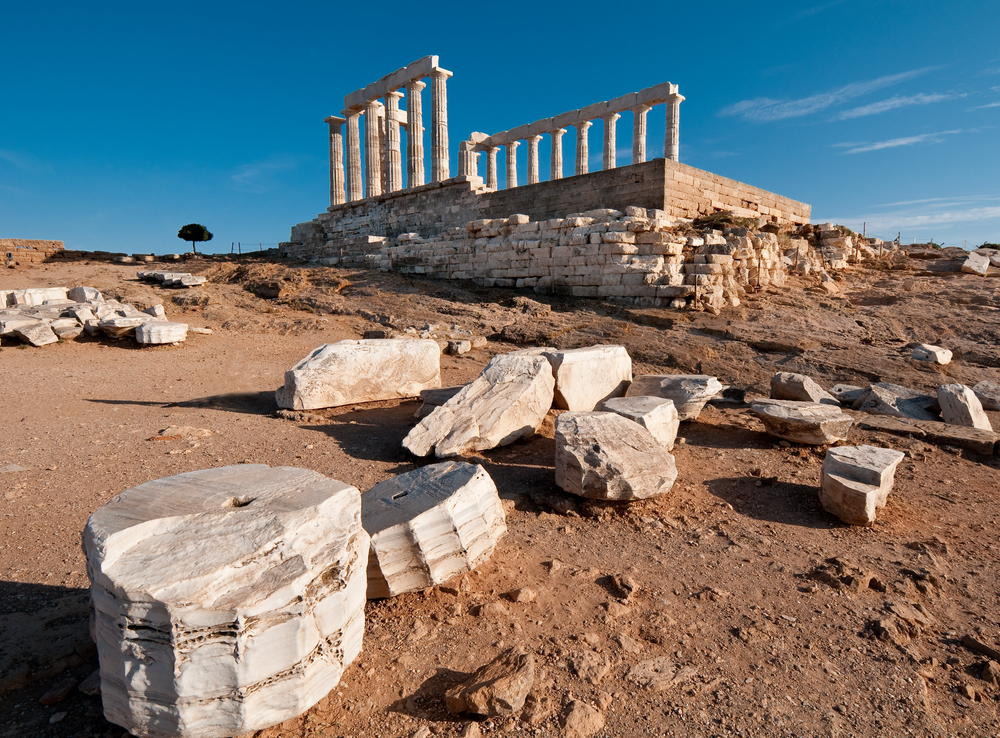
Attica and Athens
Athens is more than just the Acropolis. We recommend three full days to combine the Acropolis Museum, the Plaka district, the ancient Agora, and an evening in Exarcheia or Koukaki. An hour from the capital, Cape Sounion and its Temple of Poseidon offer a serene sunset, away from the crowds of the Cyclades. Attica extends to Marathon and the beaches of Apollo's Coast, convenient for a day trip outside the city. Athens summers exceed 35°C in July-August, so plan your site visits early in the morning or after 5pm.
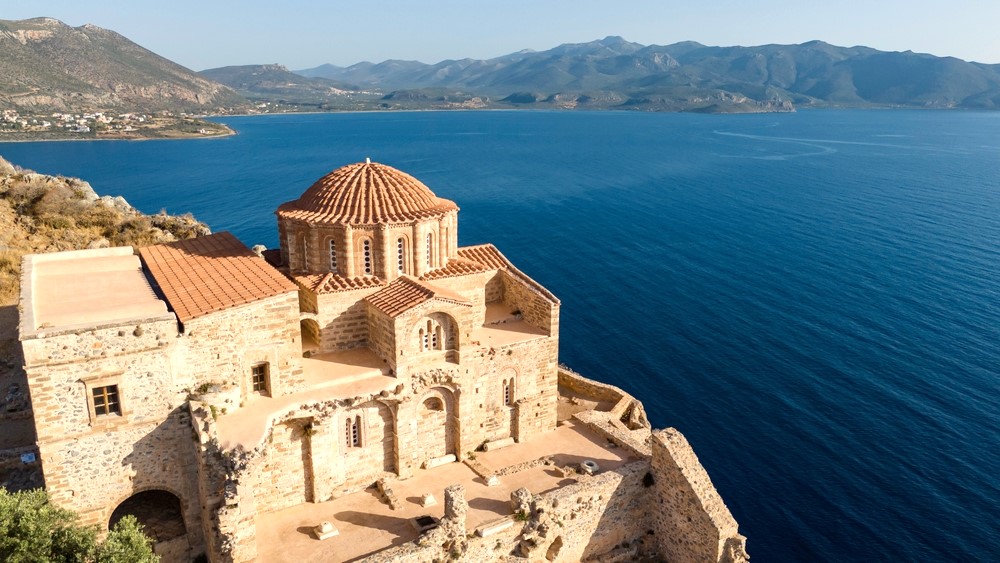
Peloponnese
Almost an island since the Corinth Canal was cut through, the Peloponnese concentrates the essence of mainland Greece. Mycenae and Epidaurus can be visited in the same day from Nafplio, a Venetian city where we recommend staying two nights. Further south, Monemvasia is a fortified rock connected by a causeway, to be explored on foot. The Mani, a rocky peninsula, preserves its stone towers and villages that are almost empty in winter. Allow 7 to 10 days for a complete tour by car, with a mandatory stop at Mystras, a Byzantine city nestled against Mount Taygetus at 2,300 feet elevation.
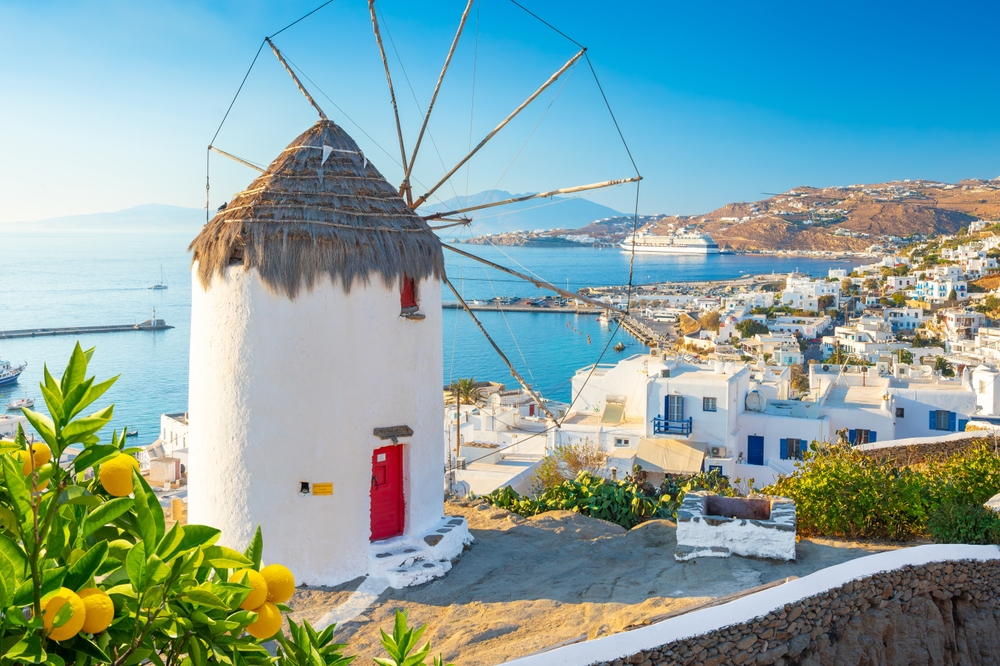
Cyclades
Santorini and Mykonos attract most visitors, but the archipelago comprises around twenty inhabited islands, each with distinct character. Naxos for hiking and marble villages like Apeiranthos, Milos for its volcanic coves accessible by boat, Folegandros for its understated charm, Tinos for its chapels and sculptors' workshops. The meltem wind blows strong in July-August, and some ferries are cancelled—build in extra time. We recommend combining a maximum of two or three islands over 10 days, using Blue Star or SeaJets connections depending on distances. May-June and September remain the best windows.
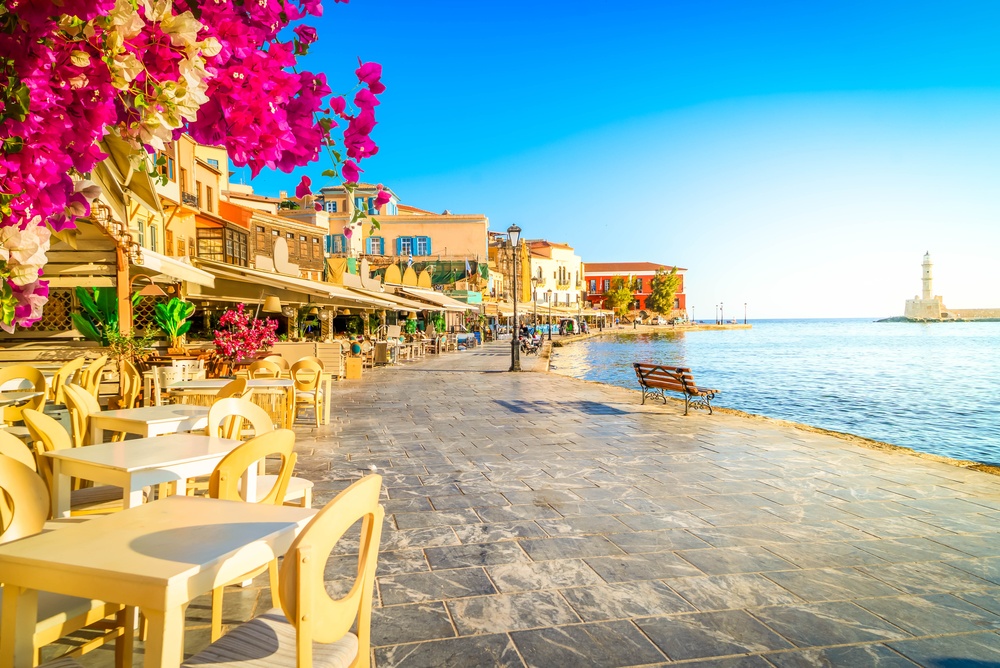
Crete
Greece's largest island requires a minimum of 8 days to explore its four prefectures. Chania and its Venetian port serve as a base in the west, with Balos and Elafonissi accessible by 4x4 or boat. In the center, Knossos and the Heraklion museum tell the story of Minoan civilization. The east, around Sitia and the Lassithi plateau, remains more rural. The Samaria Gorges can be hiked in 5 to 6 hours, open from May to October. Cretan cuisine—olive oil, raki, goat cheeses—is reason enough for a stop in a village like Archanes or Vamos.
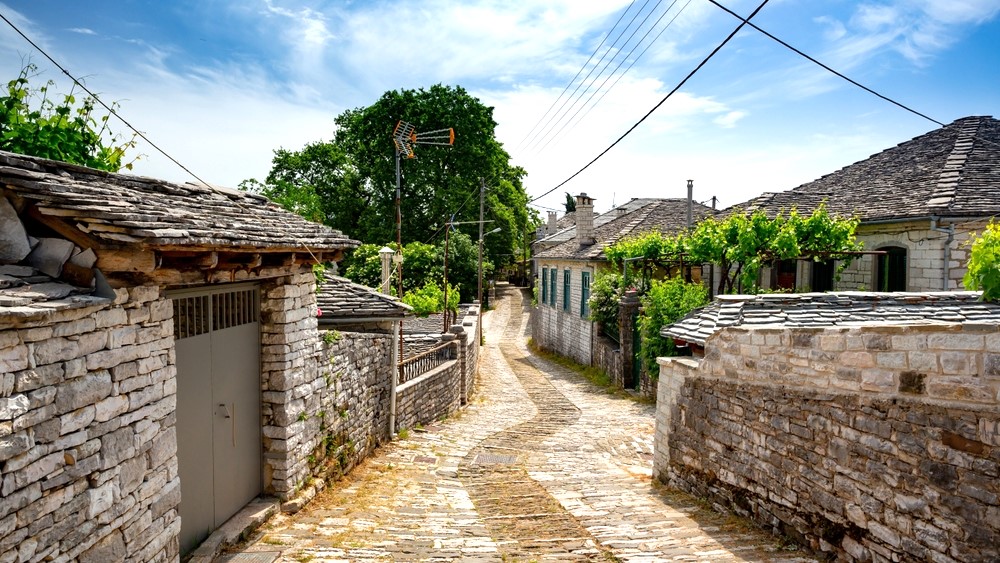
Northern Greece and Epirus
Greece that travelers overlook. The Meteora and its six monasteries perched on rocky pinnacles can be visited in two days from Kalambaka. Further west, the Zagori villages (Papingo, Monodendri) dot the Vikos Gorge, one of Europe's deepest, crossed by a marked hiking trail. Ioannina and its lake, Thessaloniki and its lively waterfront complete a 7 to 10-day itinerary. Summers there are more breathable than in the south, around 28-30°C in July, making it a relevant option for hikers.
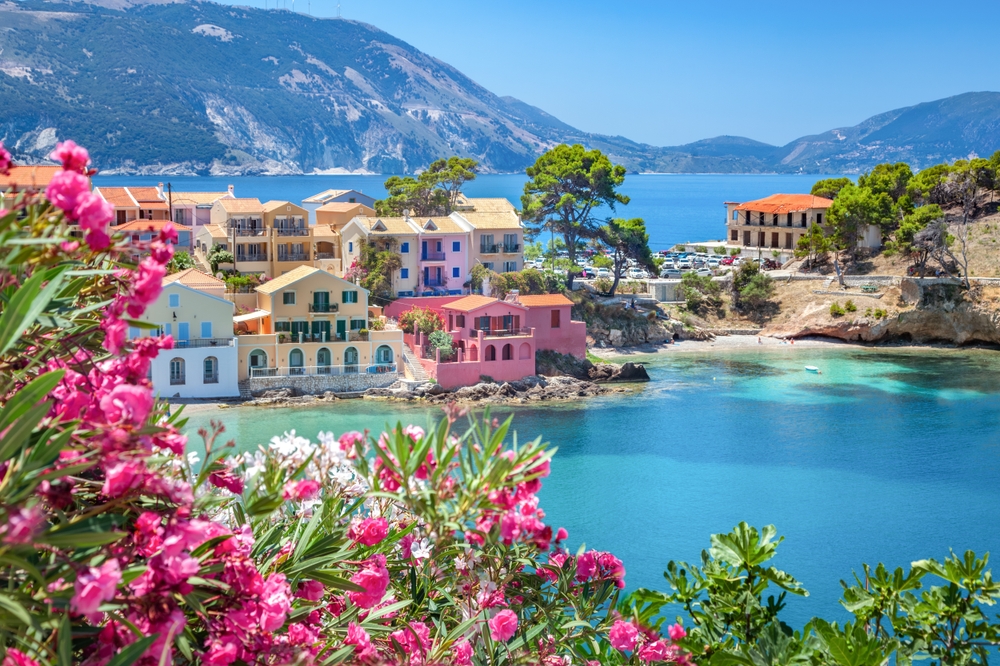
Ionian Islands
Corfu, Cephalonia, Ithaca, Zakynthos, Lefkada: a lush archipelago shaped by 400 years of Venetian presence. The climate here is milder and more humid than in the Cyclades, with vegetation remaining green throughout much of summer. Corfu Town is a UNESCO World Heritage site for its Venetian old town. Cephalonia captivates with its limestone beaches (Myrtos) and villages like Assos. For sailing enthusiasts, the Ionian Sea offers calmer conditions than the Aegean. We recommend spending a week on a single island, two at most, to enjoy the region without constantly chasing ferries.
Explore by theme
Unique experiences tailored to every traveler.
Culture & Heritage
Temples, musées, sites historiques
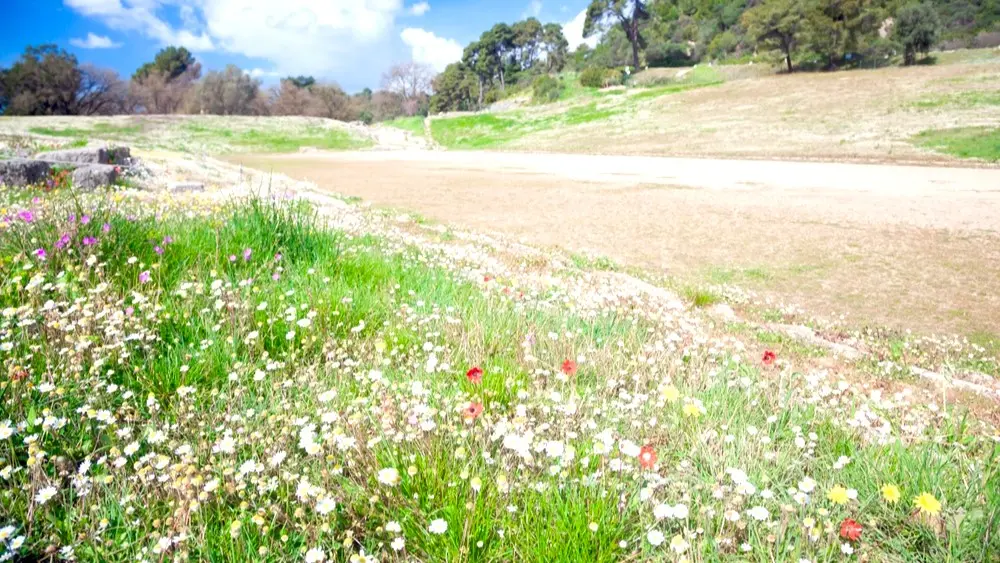
Nature & Landscapes
Parcs nationaux, montagnes, forêts
Sea & Beaches
Littoral, îles, sports nautiques
Wildlife & Biodiversity
Observation animale, sanctuaires, réserves
Activities & Adventure
Trek, kayak, escalade, sports outdoor
Gastronomy
Cuisine locale, marchés, cours de cuisine
We use cookies to improve your experience and measure our site's audience. You can choose what you accept. Learn more.